

Inflammation-related eating plans not only improve wellness and life, but could also lead to extra power. It is a normal process that aids healing, but it may pose risks to your well-being in the long run, along with discomfort in your daily activities.
You can consume anti-inflammatory foods to support your body's natural balance. This healthy eating guide shows how incorporating these foods into your daily meals, along with leafy green vegetables, healthy fats, and whole ingredients, is a simple lifestyle change.
Foods that have anti-inflammatory ingredients rich in fiber, nutrients such as vitamins, antioxidants, and healthy fats are all referred to as anti-inflammatory foods. These healthy options integrated into the diet are sure to improve your lifestyle.
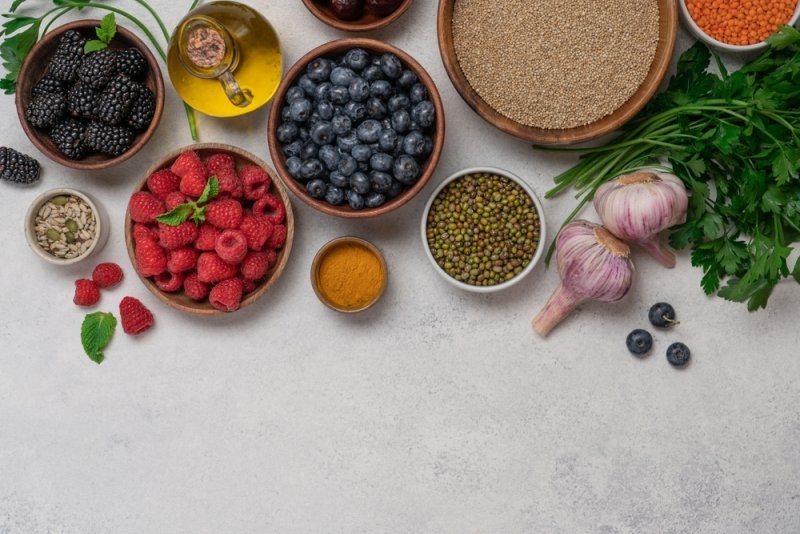
Berries are many people's choice of anti-inflammatory foods. They contain compounds such as anthocyanins, which defend your cells from stress and support your immune system. Berries, nuts and seeds, dark leafy green veggies, fish, and whole grains, along with healthy fat from plants, all help combat inflammation. Berries easily combine with many of the items you eat already, especially the foods within this list, which ultimately encourages you to select berries instead of a sugary treat.
When it comes to dietary fat choices, omega-3s are wonderful for health. Some of the best fatty fish sources included within natural anti-inflammatory diet plans are salmon, mackerel, and sardines.
Omega-3 fatty fish intake enhances heart health, promotes well-being, and overall nutrition while simultaneously decreasing processed meat consumption. Eating fish several times per week can greatly increase omega-3-rich food consumption
Leafy greens such as kale, spinach, and collard greens contain essential nutrients such as minerals, vitamins, and plant compounds. These vital parts encourage healthy eating habits and boost overall nutritional value in your body.
Leafy greens are good to eat because they are not high in calories but high in nutrients needed for everyday use. Including these foods in your daily meals can be simple by adding spinach to salads, soups, smoothies, or even cooked meals.
Nuts and seeds contain important fiber, plant nutrients, and healthy fats; these include almonds, walnuts, chia seeds, and flax seeds. Omega-3 fatty acids present in walnuts make them an important food source that may help lower inflammation.
Adding these food choices to meals is satisfying. Add nuts and seeds to oatmeal, snacks, or salads for a healthy alternative.
It's one portion that's crucial when considering organic anti-inflammatory eating plan ideas, due to its plant-dependent vitamins and monounsaturated fats. Substituting greatly refined oils with the usage of added virgin essential oils can enhance your diet program significantly.
Increase your own nutrition by using vegetables as well as home-cooked food dishes, and adding virgin essential oils.
Whole grains contain important fiber, which is great for digestive health and an integral part of an anti-inflammatory diet. Oats, whole-grain bread, quinoa, and brown rice are good alternatives to foods that reduce inflammation and offer fewer health benefits.
Instead of refined food choices, start using whole grains to improve your inflammation diet and create a steady energy source.
Aside from adding these food options to your daily meal plan to increase your nutrient value, you also need to stay away from foods that can have an unfavorable impact on your health. These might include sugary drinks, heavily processed foods, and certain ingredients found in snack foods.
These are some of the major chronic inflammation foods :
Creating a nutrition-focused lifestyle plan targeting inflammation should not mean eliminating your favorite foods. Begin incorporating nutrient-rich, fresh produce, whole grains, proteins, and good fats into your diet. You can achieve these through small lifestyle changes without having a complicated diet.
When composing a nutrition plan to fight inflammation, a healthy eating guide that focuses on maintaining your meal preparation and consumption should aim to reach your nutrition goals, even when you make an improper food selection on occasion.
Eating and preparing at home and using fresh ingredients is likely the easiest and most practical way to consistently add anti-inflammatory food choices into your diet.
Related Resource: How to Improve Gut Health Naturally & Feel Better?
All athletes and physically active individuals need to focus on maintaining a nutrition-focused lifestyle. There are several beneficial foods for fighting inflammation, and they include green vegetables, fish, nuts, and berries. Your body needs the necessary vitamins and nutrients in order to maintain optimal function throughout the day.
Following a natural anti-inflammatory diet can help people reach nutritional goals while supporting overall health. These foods can also be useful for athletes as they may support recovery and contribute to better performance.
You can make simple and healthy meal options by utilizing the foods that reduce inflammation mentioned above. These foods should be an integral part of your diet so as to make meals healthier. Make sure that foods that cause chronic inflammation are left to a minimum in your diet so that you promote a naturally healthy anti-inflammatory diet.
The best foods for an anti-inflammatory diet include various berries, leafy greens, olive oil, seeds, nuts, and fatty fish. These foods are rich in antioxidants, fiber, and healthy fats, which can contribute to a healthy, balanced diet. Variety throughout the week is important rather than always relying on one main ingredient.
A healthy anti-inflammatory diet can also improve energy levels by focusing on nutritious meals that provide consistent amounts of carbohydrates, protein, and healthy fats. Foods like whole grains, vegetables, and fruit give us nutrients that allow us to stay balanced with our eating and do not give us crashing energy.
A natural anti-inflammatory diet tries to reduce the use of processed or nutrient-poor foods, like most kinds of sugary drinks, unnecessary highly refined snacks, and most fried foods. It is more of a focus on adding good things in rather than cutting things out.
The length of time it takes to see effects from anti-inflammatory foods depends on the rest of our lifestyle and diet quality, as well as where we are. A healthy lifestyle with constant nutritious food choices, exercise, and balance can benefit us much better than a momentary drastic change in our diet.
This content was created by AI