

Untreated high blood pressure can lead to heart disease, stroke, and kidney disease. What you can do to help control high blood pressure involves reading your numbers, improving your lifestyle, and maintaining these improvements over the long term.
By taking positive, small steps each day, you can work towards having a healthier blood pressure – and your health – in the long term. Here's a guide to how to manage high blood pressure.
High blood pressure occurs when the pressure of blood flowing against the artery walls is too high. High blood pressure usually has no symptoms, so you could have it for years without realising. So measuring the pressure of your blood is very important, as untreated high blood pressure can damage your body.
Treatment for high blood pressure is a mixture of your health habits and medication. Your doctor may decide that you need lifestyle changes, medication, or both after they see your results. Always get your doctor's advice before using any blood pressure medicine.
So, how can you manage high blood pressure with lifestyle changes better long-term and lower the reading over time?
Aim for the best changes you can because they are applicable where you are now with your current lifestyle, health conditions, and condition management. Instead of completely changing your life, choose just one or two small changes you can make. Here are some good tips on how to lower your high blood pressure.
These behaviours are effective measures for high blood pressure management. However, their effectiveness may vary from person to person. It is possible that some people will need additional measures if they have very high blood pressure or other health problems.
How you eat can influence blood pressure through sodium intake, your weight, and your heart. You can lower blood pressure by following the DASH eating plan, an eating pattern that has been proven to work to lower blood pressure. This healthy-eating plan is based on eating foods rich in nutrients and fibre – vegetables, fruit, whole grains, beans, and nuts.
What foods should you eat to help manage high blood pressure?
Browse and add these tasty foods to your weekly eating list.
Prepackaged foods, canned soups, meats, salty snacks, and restaurant foods may have large quantities of sodium in them. Check nutrition information and select items with less sodium when you can.
If you have kidney disease or take medications that influence potassium, consult your healthcare professional before increasing foods that are high in potassium or salt substitutes that contain potassium.
If you're wondering how to lower blood pressure naturally, you need to incorporate some proven habits into your lifestyle - not an overload of supplements or dubious home remedies. Exercising daily, eating a heart-healthy diet, limiting stress and alcohol, and sleeping well all contribute to healthy blood pressure. They're also no substitute for medication.
What daily habits can help control high blood pressure?
To reduce stress, techniques such as meditation, deep breathing, and even yoga can help lower blood pressure temporarily. For some people, taking the time to focus on breathing or doing some other relaxing activity can be enough to help lower blood pressure. Lifestyle changes that can help lower blood pressure naturally include relaxation methods.
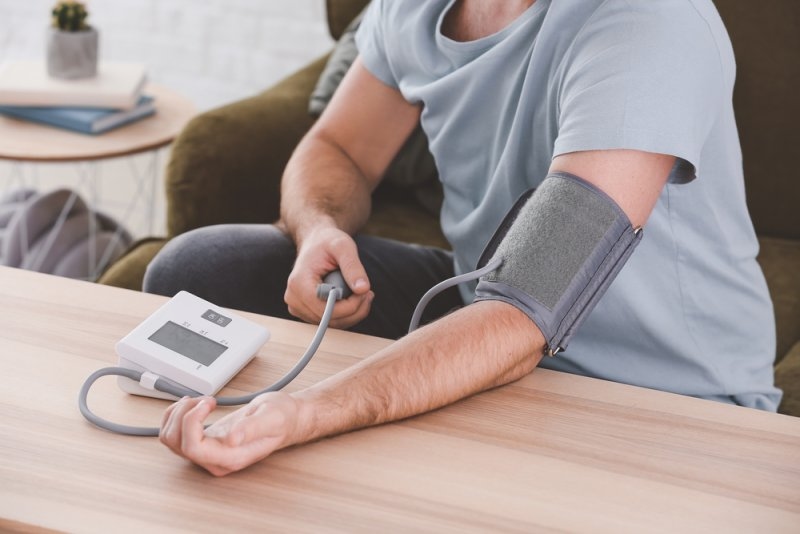
Monitoring your blood pressure at home can also show whether the treatment and the lifestyle changes you're making are working. Check your blood pressure using an automatic upper-arm monitor that has been validated, and ensure that it's an appropriate cuff size. Wrist and finger monitors are less reliable for everyday readings.
For best results, do not eat caffeine or smoke for 30 minutes before the test, and do not exercise. Empty your bladder and sit quietly for five minutes. Sit with your back straight and supported and your feet flat on the ground. Rest your arm on a table so your elbow is at the level of your heart. Rest your arm while taking two measurements, each one minute apart, and record both readings.
Your doctor or nurse will tell you how often to measure your blood pressure, especially when you begin new treatment. It's generally good practice to do a few days at home, morning and evening, record the readings, and take the figures with you to follow-up appointments. Never alter your medication based on a single reading unless you are told to do so.
Lifestyle (home) readings are important, but some blood pressure readings may need to be seen immediately. Blood pressure greater than 180/120 mm Hg: Rest for 1 minute and recheck. If blood pressure is still greater than 180/120 mm Hg, call your doctor or emergency services. If you also have chest pain, shortness of breath, weakness, numbness, vision problems, or difficulty speaking, call 911.
Following up with your doctor can determine if how you're managing is effective. Your clinician will go through your readings, medications, sleep, diet, and other factors to formulate the right treatment plan.
Managing your high blood pressure is achievable through consistent tracking, lifestyle modifications, medications, and more. Follow your doc's recommendations, plus alter your diet and exercise, sleep more, and reduce salt (and other beverage) intake to some degree in order to bring down your numbers slowly.
Apart from these tips for controlling blood pressure, stay strong and take care of your ticker by running your status past the doctor.
It's also possible that high blood pressure and sleep issues are linked. Obstructive sleep apnoea, for example, can increase blood pressure, and high blood pressure can cause sleep problems. Talk with your provider if you snore every night, regularly choke or gasp while you sleep, or experience fatigue during the day.
Yes, the condition can impact anyone regardless of age. Family history, kidney disease, drugs, excess salt, and lifestyle may all play a part. Do not ignore consistently high blood pressure in younger adults.
Caffeine may transiently raise your blood pressure; however, it can have long-term harms. If you have any issues, take your blood pressure earlier and after consuming caffeine, and speak to your healthcare provider.
Yes, family history plays a role in elevating your risk of high blood pressure. Unhealthy behaviours and eating habits within the family can also be a factor.
Dehydration can cause a drop in blood pressure when you stand up. However, dehydration may cause your blood pressure to go either way – depending on who you are and the extent of your dehydration. Be sure to maintain hydration levels and check with your doctor if you experience feeling light-headed or fainting.
This content was created by AI